


Did you know? Recent data reveals that 63% of diners and a staggering 78% of hotel guests are willing to pay more for businesses that implement robust restaurant & hotels sustainable practices & eco-friendly operations. With environmental concerns topping guest priorities, are your hospitality operations keeping pace with eco-friendly expectations, or falling behind competitors?
Unlocking Restaurant & Hotels Sustainable Practices & Eco-Friendly Operations: What the Data Reveals
The push toward sustainability in the hospitality industry has never been stronger. Whether you operate a bustling city restaurant, a serene boutique hotel, or a cozy bed and breakfast, the data is clear: restaurant & hotels sustainable practices & eco-friendly operations are no longer optional—they’re integral to long-term success. As eco-conscious diners and travelers scrutinize menus, amenities, and waste policies, venues with transparent sustainability efforts are seizing a serious market advantage. Industry research consistently finds a direct correlation between environmental initiatives and both guest satisfaction and loyalty.
Beyond brand reputation, tangible financial gains await hospitality providers who embrace sustainable hotel operations. Waste reduction, energy conservation, and eco-certifications not only shrink environmental footprints—they also cut operating costs and increase competitiveness. As you explore this guide, you’ll discover how real-world initiatives such as food waste tracking, renewable energy adoption, and reducing single-use plastics can elevate your bottom line and inspire repeat business. In today’s culinary and lodging world, sustainability is the recipe for resilience.
For hospitality businesses looking to take the next step in their sustainability journey, connecting with experienced partners can make all the difference. If you’re interested in tailored guidance or want to discuss your unique eco-friendly goals, consider reaching out to a digital marketing agency with expertise in sustainable hospitality for actionable strategies and support.

“A recent survey found that 63% of diners and 78% of hotel guests will pay more for businesses adopting robust restaurant & hotels sustainable practices & eco-friendly operations.”
What You'll Learn About Restaurant & Hotels Sustainable Practices & Eco-Friendly Operations
- Essential sustainable practices for restaurants & hotels
- How eco-friendly operations can improve your bottom line
- Practical strategies for food waste, water conservation, and energy consumption
- The latest eco-certifications and standards for hospitality industry
- Consumer-driven trends, such as zero-waste kitchens and the reduction of single-use plastics
Why Restaurant & Hotels Sustainable Practices & Eco-Friendly Operations Matter in the Hospitality Industry
The Rise of Eco-Conscious Guests and Diners in the Hospitality Industry
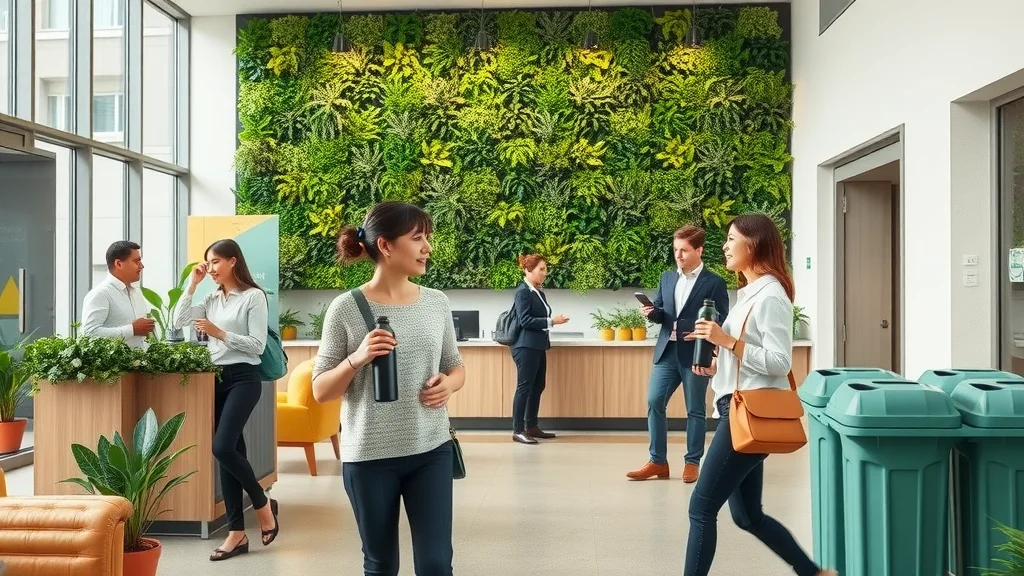
Modern guests are more than visitors—they are environmentally conscious consumers actively seeking out venues that put sustainability first. The shift is clear across every corner of the hospitality industry: sustainable hotel choices and eco-friendly restaurants are now favored over conventional competitors, especially among younger generations. Amenities once seen as “nice-to-have”—recycling programs, compost bins, and water-saving features—are now requirements for attracting a discerning clientele.
For restaurants & hotels, sustainable practices & eco-friendly operations create opportunities to connect deeply with guests who care about their environmental impact. According to industry leaders, today’s travelers and diners frequent businesses that visibly support local economies, source food and products responsibly, and publish their eco-credentials. This guest-driven pressure is fueling a hospitality revolution, ensuring eco-initiatives move from fringe trends to mainstream expectations.
“Hospitality industry leaders report increased demand for restaurants and sustainable hotel options that emphasize sustainable practices and eco-friendly operations.”
Driving the Bottom Line: The Financial Impact of Restaurant & Hotels Sustainable Practices & Eco-Friendly Operations
Embracing restaurant & hotels sustainable practices & eco-friendly operations is not just good for the planet—it’s a powerful driver for your bottom line. When hotels and restaurants implement waste reduction, improve energy usage, and adopt water conservation strategies, the resulting operational savings can be substantial. Plus, sustainable practices foster guest loyalty, attracting high-value customers willing to pay for responsible luxury. Industry case studies have found that sustainable hotels and restaurants increase profitability through reduced energy consumption, lower food waste, and decreased dependency on costly disposables.
Additionally, significant government incentives, rebates for renewable energy investments (such as solar panel installations), and cost-saving technologies (like LED lighting and smart HVAC systems) accelerate returns. Not only do these initiatives shorten the payoff period for upgrades, but they also enhance your environmental credentials—giving your hospitality business a visible edge in an increasingly competitive market.
| Sustainability Initiative | Upfront Cost | Annual Savings | Payoff Period |
|---|---|---|---|
| Energy-efficient kitchen equipment | $5,000 | $2,000 | 2.5 years |
| LED lighting & smart controls | $2,000 | $950 | 2 years |
| Food waste tracking systems | $1,500 | $1,000 | 1.5 years |
| Water-saving bathroom fixtures | $1,200 | $750 | 1.6 years |
| Solar panel installation | $20,000 | $4,800 | 4.2 years |
Key Sustainable Practices That Strengthen Hotel Operations & Restaurant Business Models
Sustainable Food and Product Sourcing in Restaurant & Hotels Sustainable Practices & Eco-Friendly Operations
Source responsibly, and your guests will follow. Sourcing from local suppliers, emphasizing seasonal menu planning, and seeking organic or fair-trade products are pillars of restaurant & hotels sustainable practices & eco-friendly operations. Not only do these practices help reduce your carbon footprint by minimizing transportation, but they also support local economies and offer guests the freshest ingredients possible. Sustainable hotel operators know that leveraging partnerships with community farms, fisheries, and artisanal producers resonates with eco-conscious travelers looking for authenticity.
Restaurants and hotels can further their sustainability efforts by attaining certifications like organic and fair-trade, which reassure guests of your environmental commitment. Whether you’re introducing plant-based menu options, choosing suppliers focused on regenerative agriculture, or investing in biodegradable packaging, these proactive steps communicate your values and help build lasting guest loyalty—an essential ingredient in any successful hospitality business model.
- Leveraging local suppliers
- Seasonal menu planning
- Organic and fair-trade certifications for hotel operations

Zero-Waste Kitchens: Restaurant & Hotels Sustainable Practices & Eco-Friendly Operations
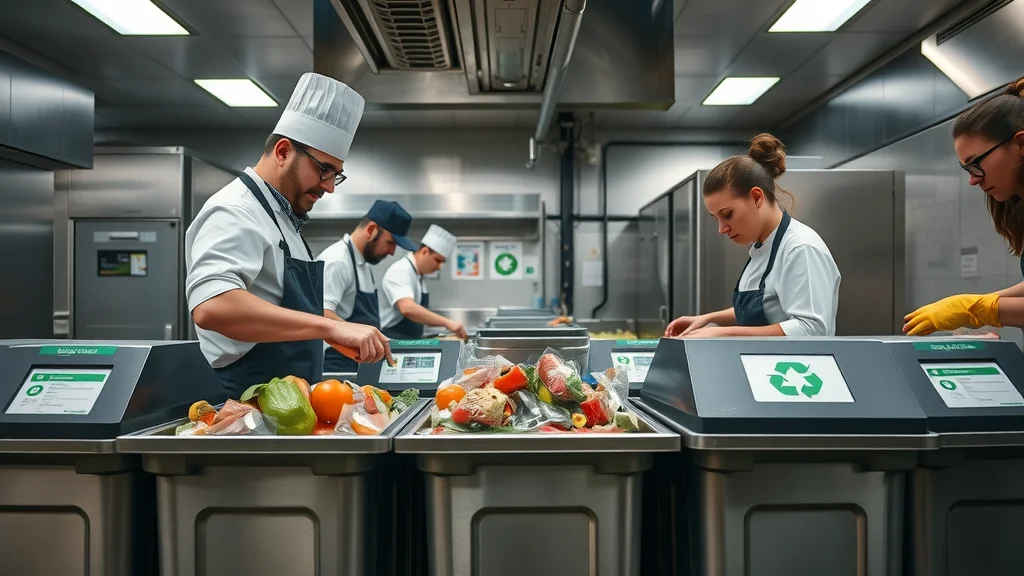
Waste reduction is at the heart of a truly sustainable restaurant or hotel operation. By embracing the zero-waste kitchen model, businesses tackle both environmental and financial challenges simultaneously. This forward-thinking approach incorporates food waste tracking, partnerships with composting programs, and regular donations to local food banks. The result? Not only do you divert food from landfills, dramatically reducing carbon emissions and methane output, but you also transform food waste into community resources or even back into your operation through closed-loop composting systems.
For restaurant & hotels, sustainable practices & eco-friendly operations that prioritize waste reduction yield impressive returns, ranging from cost savings on disposal fees to community goodwill. Kitchen staff, empowered by training on waste monitoring and proper segregation, drive these improvements intuitively—a vital step for achieving high-performance sustainability goals in both food and hotel operations.
“Effective waste management and waste reduction strategies are the cornerstone of truly sustainable practices in both restaurants and hotel operation.”
Food Waste Reduction Technologies and Strategies
- Food waste tracking systems
- Composting partnerships
- Donation to local food banks
How to Reduce Energy Consumption in Restaurant & Hotels Sustainable Practices & Eco-Friendly Operations
Reducing Energy and Embracing Renewable Energy in Hospitality Industry
Managing energy consumption is critical for sustainable hotel and restaurant operations. Upgrading to LED lighting, integrating smart controls for HVAC systems, and choosing Energy Star-rated kitchen equipment can significantly reduce your operation’s environmental footprint. Embracing renewable energy sources—such as roof-mounted solar panels—drastically cuts electricity use, provides long-term savings, and signals your business’s commitment to positive change. In addition, smart thermostats and advanced HVAC system monitoring can trim unnecessary energy usage and improve guest comfort, while routine maintenance on equipment minimizes energy loss and prolongs asset lifespan.
Combining these technological upgrades with staff education ensures energy-efficient practices permeate every department. Visible renewable energy installations, like solar panel arrays, also appeal to eco-minded guests searching for certified green stays. The combined effect is a restaurant or hotel operation that leads in both guest experience and sustainability leadership.
- LED lighting and smart controls
- Solar panel installation in sustainable hotel settings
- Energy-efficient kitchen equipment

| Appliance/Upgrade | Energy Type | Annual kWh Used (Traditional) | Annual kWh Used (Efficient/Renewable) | kWh Saved per Year |
|---|---|---|---|---|
| LED Lighting | Electricity | 8,000 | 1,200 | 6,800 |
| Smart HVAC Systems | Electricity/Gas | 12,500 | 6,700 | 5,800 |
| Solar Panels | Electricity | 8,500 | 1,000 | 7,500 |
| Energy Star Kitchen Equipment | Electricity | 15,000 | 9,500 | 5,500 |
Advanced Water Conservation in Hotel Operations & Restaurant Kitchens
Top Water Conservation Techniques for Sustainable Hotel & Restaurant Operations
Hospitality businesses can conserve water and reduce costs by installing smart fixtures and refining operational processes. Sensor-activated faucets, low-flow toilets, and high-efficiency dishwashers cut water consumption dramatically without sacrificing guest comfort or kitchen hygiene. Rainwater harvesting systems—perfect for sustainable hotel landscaping—provide an eco-friendly water source for plant irrigation or even greywater systems. In kitchens and laundries, process improvements such as batch washing and enhanced staff training further contribute to water conservation. These strategies are essential for long-term hotel operation sustainability, especially in drought-prone regions.
By reducing water waste and optimizing consumption, restaurants and hotels are not only supporting environmental stewardship, but also reaping lower utility costs and appealing to eco-conscious travelers who track their own water footprints on the go.
- Sensor-activated faucets and low-flow toilets
- Rainwater harvesting systems
- Kitchen process improvements to reduce water use

Tackling Carbon Emissions Through Smart Waste Management
Waste Management Strategies: Restaurant & Hotels Sustainable Practices & Eco-Friendly Operations
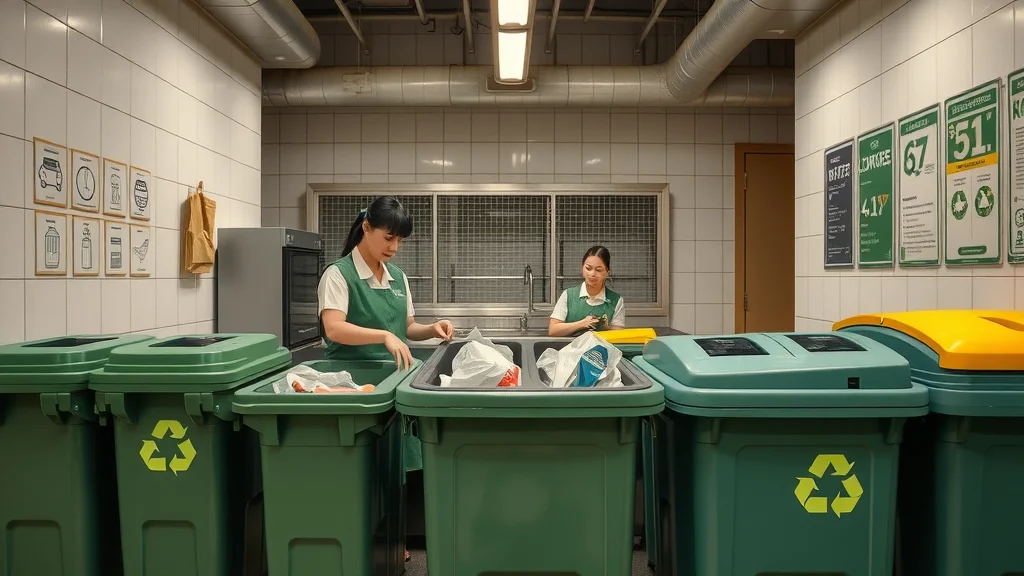
Smart waste management is a keystone of restaurant & hotels sustainable practices & eco-friendly operations. By developing front- and back-of-house recycling programs, partnering with zero-waste suppliers, and rigorously monitoring waste streams, hospitality leaders not only reduce carbon emissions but also boost compliance with evolving environmental regulations. Implementing robust waste management strategies starts with staff training and clear signage, before extending into guest-facing programs that encourage participation and transparency throughout the property or dining room.
Monitoring waste data empowers managers to make incremental improvements, unlocking cost savings and significant reductions in total waste sent to landfills. In turn, this reduces your business’s overall carbon footprint, appealing to increasingly eco-focused guests seeking verifiable green credentials in every part of their hospitality journey.
- Recycling programs for both front and back of house
- Partnering with zero-waste suppliers
- Monitoring and reporting waste streams for compliance and optimization
The Role of Green Certifications in Restaurant & Hotels Sustainable Practices & Eco-Friendly Operations
Understanding Sustainable Hotel Certifications and Third-Party Audits
Achieving recognized green certifications is an effective way to validate your restaurant & hotels sustainable practices & eco-friendly operations. Certifications such as LEED, Green Key Global, and the Food Made Good standard demonstrate your commitment to rigorous sustainability benchmarks. These third-party audits not only help quantify your environmental impact, but they are also highlighted by travel platforms and review aggregators, increasing your property’s visibility to eco-conscious guests.
Brandishing these widely trusted certifications helps attract and retain environmentally conscious clientele. For many, these “eco-seals” are determining factors when choosing where to dine or stay. Hospitality venues committed to continuous improvement and regular re-certification find it easier to foster guest trust and maintain a competitive edge in a crowded field.
- LEED certification
- Green Key Global
- Food Made Good standard
“Green certifications not only validate your sustainable practices, but also attract eco-conscious clientele searching for proven eco-friendly operations.”

How to Eliminate Single-Use Plastics in Restaurant & Hotels Sustainable Practices & Eco-Friendly Operations
- Sourcing biodegradable alternatives
- Implementing refillable toiletry programs
- Encouraging guest and staff participation through visible signage
Eliminating single-use plastics is a crucial sustainability priority within sustainable hotel and restaurant operations. Start by sourcing biodegradable packaging, cutlery, and takeaway containers, and transition in-room amenities to refillable dispensers for toiletries. Visible signage throughout the property reminds guests and staff alike of your eco-goals, encouraging everyone to do their part.
Guest engagement in plastic reduction programs—whether by offering discounts for reusable coffee cups or rewarding waste separation—translates directly into brand loyalty. Each step toward a plastic-free operation not only reduces your environmental impact but also appeals directly to eco-minded travelers and diners for whom sustainability is a top priority.
Inspiring restaurants and hotels showcasing real-world sustainable practices in action — see solar panel installation, farm-to-table kitchen prep, rainwater harvesting systems, and happy guests using reusable products.
People Also Ask: Restaurant & Hotels Sustainable Practices & Eco-Friendly Operations
How can restaurants and hotels efficiently reduce food waste?
Answer: Restaurants and hotels can reduce food waste by adopting digital food waste tracking systems, training staff to properly separate scraps, developing composting partnerships, and donating surplus food to local charities. Advanced technologies help monitor kitchen inventory and forecast demand, making it easier to plan and prevent spoilage. Zero-waste kitchen initiatives ensure every ingredient is used to its fullest, contributing to both cost savings and a smaller environmental footprint.
What are the best strategies for reducing water usage in hospitality operations?
Answer: The most effective strategies to reduce water usage include installing sensor-activated faucets and low-flow toilets, integrating rainwater harvesting systems for landscaping or greywater use, and training team members on batch washing procedures. Regular maintenance and upgrades to energy-efficient dishwashing and laundry equipment further maximize water conservation benefits. These practices lower utility bills, support sustainability goals, and appeal to guests seeking environmentally responsible accommodations.
Frequently Asked Questions about Restaurant & Hotels Sustainable Practices & Eco-Friendly Operations
-
Are sustainable practices expensive to implement?
While some upgrades (like solar panels or certifications) have higher upfront costs, the long-term savings on utilities and waste management often deliver a rapid return on investment. Many sustainability initiatives, such as energy-efficient lighting or food waste reduction, can begin with modest investment and yield immediate benefits. -
Which eco-certifications are most important for restaurants and hotels?
Top industry certifications include LEED, Green Key Global, and the Food Made Good standard, all of which provide credibility and help attract environmentally conscious guests. -
How can I promote my business's sustainable initiatives?
Share your sustainability efforts through your website, booking platforms, on-premise signage, and social media. Transparent reporting, regular updates, and green certifications are especially attractive to today's green-minded guests and diners.
Key Takeaways: Restaurant & Hotels Sustainable Practices & Eco-Friendly Operations
- Embracing eco-friendly operations is not only good for the planet, but essential for modern hospitality industry competitiveness.
- Implementing sustainable practices in every area of operations increases profitability and attracts loyal guests.
- Pursuing third-party certifications establishes trust and credibility.
Explore More About Restaurant & Hotels Sustainable Practices & Eco-Friendly Operations
For a deeper dive into top-performing sustainable hotels, restaurant trends, and eco-friendly innovations, be sure to visit https://fooddrinkbed.com/ to learn more about restaurants, lodgings, wine and more ..
Conclusion: Eco-conscious guests are shaping the future of hospitality. Implementing restaurant & hotels sustainable practices & eco-friendly operations builds loyalty, cuts costs, and takes your business—and the planet—forward.
As you continue to refine your sustainability strategy, remember that the journey toward greener hospitality is ongoing and ever-evolving. Exploring new perspectives and connecting with industry experts can unlock innovative solutions tailored to your unique business needs. If you’re ready to elevate your restaurant or hotel’s impact, don’t hesitate to start a conversation with professionals who understand both digital marketing and sustainable hospitality. Their insights can help you stay ahead of trends, maximize your eco-initiatives, and ensure your brand stands out in a competitive, eco-conscious marketplace.
Sources
- Green Hotelier – https://www.greenhotelier.org/
- Energy Star – https://www.energystar.gov/buildings
- Green Globe – https://www.greenglobe.com
- Green Key Global – https://www.greenkey.global
- Sustainable Hospitality Alliance – https://www.sustainablehospitalityalliance.org
- USGBC (LEED) – https://www.usgbc.org/leed
- Food Made Good – https://foodmadegood.org/
To enhance your understanding of sustainable practices in the hospitality industry, consider exploring the following resources:
- “Sustainable Hospitality: How Eco-Friendly Practices Are Reshaping the Industry” (hospitalitycareerprofile.com)
This article delves into the transformative impact of eco-friendly initiatives on the hospitality sector, highlighting strategies such as zero-waste kitchens, sustainable dining, and the elimination of single-use plastics.
- “Sustainable Hotel Innovations For Green Hospitality” (ecoreside.com)
This piece explores cutting-edge sustainable innovations in hotels, including renewable energy integration, water conservation technologies, and waste reduction programs, providing practical insights for implementing eco-friendly operations.
By engaging with these resources, you’ll gain valuable perspectives on implementing sustainable practices that can enhance your hospitality operations and appeal to eco-conscious guests.

Write A Comment