
cropper
update
FoodDrinkBed : a CapidHouser.com Media Site
update
  • Home
  • Categories
    • Restaurants & Pubs
    • Wine Bars
    • Burger Bars
    • Hostels
    • BedAndBreakfast
    • Hotels
    • Sustainable Practices
    • recipes
  • Coffee Shops
  • featured business profiles and marketing
June 18.2025
2 Minutes Read

How Colombia’s Sustainable Coffee Sector Provides Lessons for Climate Solutions

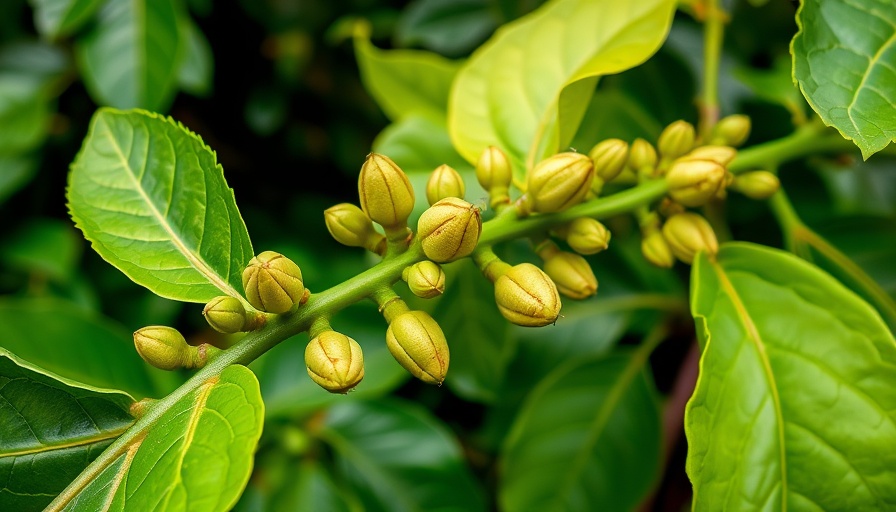
Colombia sustainable coffee sector: budding coffee plant up close

The Evolution of Colombia’s Coffee Sector

As climate change poses an existential threat to agriculture, Colombia is rewriting the narrative of coffee production. This vibrant nation, known for its rich coffee heritage, has emerged as a global model for how agriculture can adapt to changing climatic conditions while prioritizing sustainability. The pioneering efforts in Colombia’s coffee sector illustrate a path forward, showcasing the balance of agricultural productivity with environmental preservation.

Strategies for Climate Adaptation

Colombia sits as the world's third-largest coffee producer, with approximately 14 million bags harvested annually. The livelihoods of about 2.5 million citizens are intertwined with this crop, yet rising temperatures and erratic weather patterns threaten to diminish suitable coffee-growing areas by nearly half by 2050. Instead of resigning to this fate, Colombian farmers are adopting innovative, climate-smart agricultural practices that enhance biodiversity and promote resilience against climate stresses.

The Role of Shade-Grown Coffee

Among the strategies employed, shade-grown coffee farming stands out; a method that allows coffee to thrive beneath native tree canopies. This symbiotic approach not only fosters rich habitats for wildlife but also benefits the coffee plants by regulating temperatures and enhancing soil fertility. By integrating shade trees such as Inga, farmers enjoy the dual perks of pest control and reduced reliance on chemical fertilizers, all while contributing to the conservation of local ecosystems.

Investing in Science for the Future

Colombia’s commitment to innovation extends beyond farming practices into the realm of agricultural research. The National Coffee Research Centre, Cenicafé, has pioneered the development of climate-resistant coffee plant varieties that can withstand higher temperatures and resist diseases like coffee rust. The widespread distribution of these improved seedlings is essential, as it empowers farmers to future-proof their plantations against climatic shifts without compromising quality or yields.

Technological Innovation in Coffee Production

Embracing technology also plays a crucial role in Colombia’s sustainable coffee journey. The integration of advanced processing techniques, such as controlled fermentation and specialized brewing methods, enhances the flavor profiles of the beans and elevates the overall coffee experience. For consumers seeking high-quality brews, knowing where to find specialty coffee shops with these offerings – from gourmet espresso bars to artisanal coffee cafes – is essential.

Conclusion: A Model for Innovation and Resilience

Colombia’s adaptation to climate change through its coffee sector is not just a local triumph; it offers valuable lessons for global agricultural practices. As consumers and businesses seek to support sustainable coffee production, they can explore options like third-wave coffee bars that prioritize ethically sourced beans and unique brewing methods. Dive into your local coffee scene and discover how Colombian innovations can shape not just your cup of coffee but also the future of our planet.

Coffee Shops

13 Views

0 Comments

Write A Comment

*
*
Please complete the captcha to submit your comment.
Related Posts All Posts
05.22.2026

Exploring Mexico Coffee Growth: More Robusta and Rising Consumption Trends

Update The Rise of Mexican Coffee: A Flavorful Future? As we journey into the coffee harvest season of 2026/27, Mexico leads with promising production forecasts. The USDA Foreign Agricultural Service reveals that coffee production is angled to expand by 1%, poised to reach 4.14 million 60-kilogram bags. This increase is largely fueled by a noteworthy shift towards robusta coffee, celebrated for its disease resistance and suitability for various climates. Embracing Robust Coffee: The Changing Landscape Notably, robusta coffee production is projected to claim 560,000 bags of this year's total output. Regions like Chiapas, Veracruz, and Puebla dominate the landscape, collectively contributing over 80% of Mexico's production. These states not only boast favorable growing conditions but have also seen substantial investments following several strong pricing years, leading to enhanced farm management practices. Trends in Consumption: A Shift Towards Specialty Offerings Amid these production increases, coffee consumption within Mexico is expected to rise to 3.17 million bags, highlighting a growing cafe culture that favors both roasted and soluble coffee varieties. Soluble coffee dominates the market, signifying a preference that continues to thrive alongside retail giants like Starbucks, planning to open 1,000 stores throughout Mexico soon. Government Programs: Supporting Growth and Sustainability The Mexican government also plays a pivotal role in the coffee industry, implementing various programs like Production for Wellbeing, which aids 181,364 producers annually. The effort aims to bolster productivity across the nation while ensuring farmers can adapt to market changes. Such initiatives are crucial, especially as the climate implications on coffee production become more pronounced. What This Means for Coffee Lovers This evolving coffee narrative not only elevates Mexico’s status in the global marketplace but also enhances the experience for coffee enthusiasts. As the robusta segment grows, coffee lovers can anticipate more diverse flavors and styles, including those at local cafes that embrace premium coffee trends. The future of coffee in Mexico seems ripe for exploration, promising rich flavors and unique experiences to savor. Conclusion: Dive into Mexico's Coffee Culture Consumers and suppliers alike should keep an eye on Mexico’s developing coffee scene. Whether at luxury sit-in coffee cafes or artisanal coffee shops, the innovations in farming and production techniques promise a delightful journey for those seeking high-quality coffee experiences nearby.

05.21.2026

Discover the Libex Hybrid: A New Path for Specialty Coffee Amid Climate Change

Update A New Coffee Hybrid Emerges Amid Climate Challenges As climate change continues to threaten traditional coffee cultivation, a team of researchers from the Royal Botanic Gardens, Kew, has introduced an innovative hybrid coffee strain, formally known as Coffea × libex. This hybrid, which combines the characteristics of the liberica and excelsa species, aims to provide solutions for coffee producers struggling with the changing environment. Findings from the recent study were shared in Scientific Reports on May 14, highlighting how growers in Malaysia and beyond have cultivated this hybrid unknowingly for years. The Promise of Libex in Coffee Production Researchers believe that the libex hybrid could pave the way for sustainable coffee production. The study led by Aaron P. Davis confirmed significant hybridization events among coffee plants, particularly in Malaysia's Sarawak region. Out of 45 plants labeled as liberica, 40 displayed measurable excelsa properties, thus revealing a rich genetic diversity that could enhance coffee yields and resilience against climate factors. Benefits of the Libex Hybrid for Consumers This new coffee variety is particularly appealing to consumers eager for unique and flavorful experiences. With its potential for higher yields and better processing characteristics, libex coffee could become a staple in premium coffee shops. Consumers who frequent high-end espresso bars for coffee connoisseurs or those searching for gourmet coffee experiences nearby, could enjoy the unique taste of this hybrid while also supporting sustainable practices. Future Outlook: Libex as a Step Towards Resilience While the world of coffee often hinges on traditional arabica and robusta, the rise of libex might signal a shift toward diversification in this beloved industry. This hybrid not only promises to thrive in adverse conditions where its parents struggle but also carries a genetic advantage—namely, resistance to diseases like coffee leaf rust. For coffee shop patrons, this means a more reliable selection of ethically sourced coffee that tells a story of resilience and innovation. As we look forward to coffee trends in the coming years, the emergence of the libex hybrid could shape experiences all around the globe. If you are on the hunt to discover your next favorite brew, keep an eye out for coffee shops serving single origin beans or updating their menus with creative hybrids. Explore your local coffee shop scene—dive into the gourmet offerings and see how new innovations are transforming your coffee experience.

05.20.2026

TraceIQ: A Game Changer in Green Coffee Shipment Tracking

Update Innovative Tracking for Green Coffee: The TraceIQ Revolution Ecotact has recently made waves in the coffee industry with the introduction of its TraceIQ device, designed to monitor green coffee shipments in real time. This innovative tool was unveiled at the World of Coffee trade show in San Diego and aims to transform how producers and importers safeguard their high-quality beans during transit. Understanding the Importance of Real-Time Monitoring Ensuring the right temperature and humidity levels throughout the shipping process is crucial for maintaining the quality of green coffee. With the growing complexities of global shipping—affected by factors like geopolitical tensions and container shortages—the need for reliable monitoring has never been more pressing. The TraceIQ device attaches to shipping containers and tracks environmental conditions, delivering updates every 30 minutes to a cloud dashboard. This data not only allows companies to protect their investments but also fosters transparency throughout the supply chain. Benefits for All Actors in the Coffee Supply Chain While larger companies importing thousands of containers yearly will benefit significantly from such a technology, smaller producers like Ben Carlson’s Long Miles Coffee see value as well. With TraceIQ, even small-volume coffee producers can have reassurance regarding the condition of their beans, allowing them to provide documented quality assurance to buyers. This independent verification can strengthen relationships with clients, as it demonstrates a commitment to quality. Comparing Tracking Technologies Across Industries Similar tracking devices have already found their place in various sectors, from pharmaceuticals to electronics. For instance, companies like Tive and Sensitech have pioneered solutions that track sensitive products in transit. TraceIQ breaks new ground as it is specifically engineered for the green coffee industry—an essential step in an industry that values quality above all. Looking Ahead: The Future of Coffee Shipping As global logistics continue to evolve, the integration of technologies like TraceIQ will likely become standard practice in coffee shipping. With the device expected to operate for three months on one charge, producers and importers can maintain oversight throughout the entire shipping process. This level of detail and care could lead to a more robust and trustworthy supply chain, boosting customer confidence and market competitiveness. For coffee aficionados and baristas alike, keeping up with innovations such as the TraceIQ allows them to enjoy ethically sourced and expertly monitored beans. Whether you're searching for gourmet coffee experiences nearby or want to explore the best specialty coffee shops, knowing that advanced tracking is in place enhances the overall value of every cup.

Terms of Service

Privacy Policy

Core Modal Title

Sorry, no results found

You Might Find These Articles Interesting

T
Please Check Your Email
We Will Be Following Up Shortly
*
*
*