
Add Row
Add Element
cropper
update
FoodDrinkBed : a CapidHouser.com Media Site
update
Add Element
  • Home
  • Categories
    • Restaurants & Pubs
    • Wine Bars
    • Burger Bars
    • Hostels
    • BedAndBreakfast
    • Hotels
    • Sustainable Practices
  • Coffee Shops
  • featured business profiles
October 14.2025
3 Minutes Read

Explore the Best Specialty Coffee Shops: 2026 Roaster of the Year Finalists

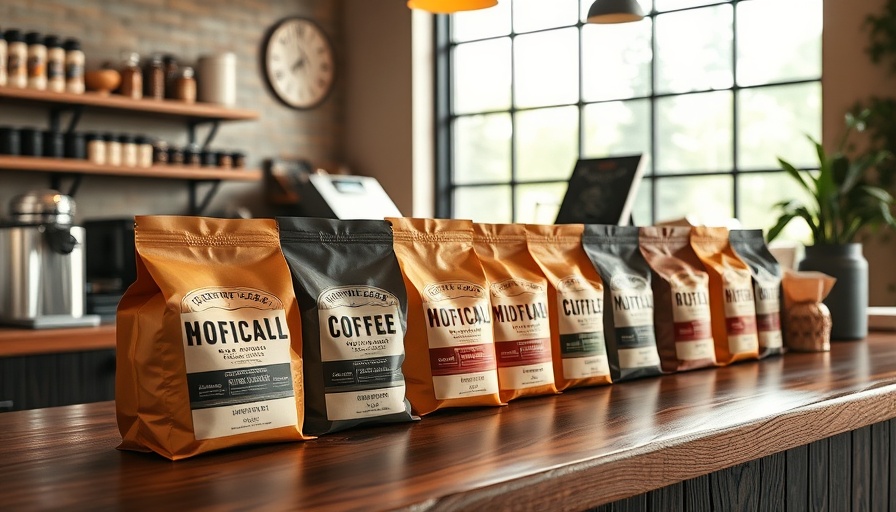
Artisan coffee packaging on display at the best specialty coffee shops near me.

Celebrating Craftsmanship: The 2026 Roaster of the Year Finalists

The coffee world eagerly anticipates the unveiling of the Roaster of the Year finalists, both to honor their innovation and to guide consumers seeking the best specialty coffee experiences. The 22nd Annual Roaster of the Year awards, presented by Roast magazine, recognize the artisanal qualities, sustainability practices, and community engagement of roasters across the United States. This year, the competition is divided into two categories: Micro Roasters and Macro Roasters, celebrating the spectrum of coffee craftsmanship available to coffee enthusiasts.

Micro Roasters: Small but Mighty

In the Micro Roaster category, the finalists showcase a commitment to quality and sustainability. Three Keys Coffee from Houston, Texas, stands out not only for its innovative roasting techniques but also for its dedication to a multi-sensory experience that combines coffee with art and music. They demonstrate how a small business can have a big impact through community engagement and education.

Dessert Oasis Coffee Roasters, based in Michigan, is another finalist that highlights the importance of employee education and transparency in sourcing. This commitment resonates with consumers who value integrity in their coffee choices and seek establishments that prioritize both quality and ethics.

Meanwhile, Kafiex Roasters from Vancouver, Washington, brings sustainability to the forefront with their zero-waste products and bilingual education programs, making them a model for accessibility in the coffee community. Their innovative approach speaks to the increasing consumer demand for ethically sourced coffee beans and sustainability in operations.

Macro Roasters: Innovation Meets Community

On the Macro Roaster side, Nossa Familia Coffee from Portland shines through its B Corp certification, emphasizing ethical sourcing and regenerative agricultural practices. This brand not only appeals to consumers looking for gourmet coffee experiences nearby but also resonates with those who care deeply about community investment and sustainable practices.

Driftaway Coffee, created by a woman-led team in Brooklyn, recognizes the educational aspect of coffee consumption, offering subscription models that foster deeper connections to the global coffee community. Their transparent pricing and support for underrepresented farms align perfectly with consumer interests in fair trade and exceptional coffee.

Lastly, Corvus Coffee Roasters from Denver has carved a niche with its direct relationships with coffee producers and focus on gender equity in the industry. This approach reflects a broader trend in coffee culture toward diversity and inclusive practices, attracting coffee aficionados who demand more than just great taste.

Looking Ahead: The Future of Coffee Roasting

The upcoming announcement of the Roaster of the Year winners on October 20 serves as a reminder of the evolving landscape of coffee consumption. Consumers are increasingly drawn to coffee shops that not only serve high-quality coffee but also articulate their values through business practices. For those searching for the best specialty coffee shops near them, these finalists provide an excellent guide to the future of coffee enjoyment.

As the coffee community shifts towards recognizing sustainability and educational practices, coffee drinkers must remain informed. The finalists for Roaster of the Year exemplify how coffee can serve as a catalyst for positive change. Whether you seek a cozy ambiance or expert barista recommendations, supporting these innovative roasters means investing in a more sustainable and equitable coffee landscape.

Engage with this year’s finalists and consider how your coffee choices contribute to the broader industry landscape. Let your local coffee shop know you value their commitment to quality and sustainability!

Coffee Shops

13 Views

0 Comments

Write A Comment

*
*
Related Posts All Posts
12.06.2025

Severe Floods in Indonesia Highlight Coffee Industry Vulnerabilities

Update Floods in Indonesia: An Unfolding Crisis and Its Causes Recent flooding in Indonesia, exacerbated by Tropical Cyclone Senyar, has devastated coffee-producing regions like Aceh and North Sumatra. Over 3.3 million people have been affected, and environmentalists are raising alarms about the role of deforestation in the disaster's severity. The destructive storms are a grim reminder of the vulnerabilities associated with climate change and human intervention. As Indonesian authorities investigate their environmental practices, the connection between rapid resource extraction and catastrophic climate events becomes increasingly clear. Climate Change and Its Impacts on Coffee Production Brazil's increasing robuster coffee output reflects a significant shift within the coffee industry, driven by both climate change and growing consumer demands. As climate pressures impact arabica production, Brazil aims to solidify its position as the world’s largest coffee exporter. However, the situation in Indonesia serves as a cautionary tale of how these changes can create both challenges and opportunities for coffee producers worldwide. Adapting to Change: The Role of Sustainable Practices In light of the recent flooding, coffee producers like Nestlé Vietnam are exploring sustainable farming practices that align with the circular economy. By minimizing greenhouse emissions and fostering sustainability, companies can safeguard their supply chains from climate risks. This cooperative effort exemplifies a broader industry trend towards environmentally friendly practices, as consumers become increasingly aware of the ethical implications of their purchases. The Intersection of Culture and Coffee: A Nonprofit Perspective Covenant Coffee, a nonprofit café in California, recently faced a cease-and-desist notice from Warner Bros. over a Harry Potter-themed event. Their experience underscores the connections coffee shops share with culture and community. As coffee establishments continue to evolve, it’s vital for them to navigate these complex cultural intersections, ensuring they remain engaged and responsible throughout their operations. The Importance of Ethical Coffee Sourcing In this shifting landscape, consumers are now more inclined than ever to seek out premium coffee shops that prioritize sustainable and ethical sourcing. From gourmet coffee experiences to artisan cafes that serve single-origin beans, coffee aficionados can directly impact the environmental practices of coffee producers by making informed choices. The demand for ethically sourced coffee beans is a critical driver for positive change in the industry. As the coffee sector adapts to climate change and resource challenges, both consumers and businesses have a unique opportunity to promote sustainability. By supporting coffee shops offering rare, specialty beans and those that prioritize ecological responsibility, we contribute to a more resilient coffee industry that respects both its workers and the planet.

12.05.2025

Discover How Happy Belly Expands Smile Tiger Coffee Across Ontario

Update Happy Belly's Ambitious Plans for Ontario's Specialty Coffee SceneCanada's Happy Belly Food Group is stepping into the spotlight with its expansive plans for the Smile Tiger Coffee Roasters brand. Under a new area development agreement, the company aims to establish 20 franchise locations across Ontario, marking a significant growth phase for this specialty coffee brand.Smile Tiger, which began its journey in 2015 in Kitchener, Ontario, was acquired by Happy Belly earlier this year. The strategic acquisition, valued at $173,000 USD, set the stage for Smile Tiger's integration into Happy Belly's existing portfolio of over 640 locations throughout Canada, which includes restaurants and other food concepts. The expanding franchise model, as noted by CEO Sean Black, represents a natural progression in their asset-light franchising approach.Growing Demand for Premium Coffee ExperiencesSmile Tiger's expansion showcases a growing trend in the coffee industry, where consumers are increasingly seeking out unique and high-quality coffee experiences. Today's coffee drinkers are not content with just a caffeine fix; they desire flavor, sustainability, and an engaging atmosphere. This aligns perfectly with the demand for gourmet coffee experiences nearby and coffee shops serving single origin beans that are becoming popular across the region.Innovative Brewing Techniques and Community EngagementWhat sets Smile Tiger apart is not just its specialty coffee but its commitment to roasting excellence and community engagement. With an in-house roasting facility, Smile Tiger provides ethically sourced beans crafted into unique blends that attract coffee aficionados. It presents an opportunity for locals to engage with their coffee through various offerings, including handcrafted pour-over coffee shops and exclusive tasting events.Why This Matters to Coffee EnthusiastsThe expansion of Smile Tiger Coffee Roasters brings not only more locations but also elevates the overall coffee culture in Ontario. For consumers, this means more access to premium coffee experiences, like espresso tasting flights at premium coffee bars or specialty coffee shops with siphon brewing. With each new store, the chances of discovering award-winning brews or exquisite latte art increase, enriching the local coffee scene.The Future of Specialty Coffee in OntarioAs the brand moves forward, it aims to integrate into existing breakfast and lunch concepts, creating additional avenues for enjoying quality coffee paired with delectable food offerings. The move is seen as a testament to the evolving nature of coffee consumption, where convenience meets quality in bustling urban environments.With coffee culture evolving in Ontario, stakeholders and consumers alike should watch closely as Smile Tiger paves the way for innovative coffee experiences. This commitment to excellence contributes significantly to the anticipation surrounding the opening of the new franchise locations.

12.04.2025

Investor Sues Michigan Retirement Fund Over Kona Hills Coffee Venture: What You Should Know

Update High Stakes Coffee: The Legal Battle Over Kona Hills In a surprising twist in the coffee investment world, AgAmerica Lending LLC, an agricultural lender from Lakeland, Florida, has initiated legal proceedings against Michigan's Municipal Employees’ Retirement System (MERS) over a tumultuous investment in the Kona Hills coffee venture. The lawsuit, filed on December 1 in Polk County Circuit Court, alleges that MERS misrepresented crucial information about the project, which has now become a source of significant financial turmoil. The Allegations: What Went Wrong? The core of AgAmerica's complaint is that MERS and its affiliates concealed several pre-existing problems concerning environmental, legal, and construction issues tied to the Kona Hills project. Securing two loans totaling $40 million from AgAmerica, the defendants allegedly assured the lender about the project’s favorable prospects, only for AgAmerica to discover severe underlying issues once the investment was in motion. Essentially, AgAmerica claims it was led to believe that funds would solely support the planting and cultivation of coffee trees, while substantial portions were diverted to rectify undisclosed violations—namely, sanitation and structural deficiencies that had been flagged by the state. Kona Hills: A Coffee Dream Turned Nightmare Described previously as the largest coffee farm in Kona, Hawaii, the Kona Hills venture aimed to capitalize on the appeal of premium coffee. It combined extensive agricultural land and the expertise of seasoned coffee producers. However, inspections exposed various problems that needed to be addressed to ensure the viability of the coffee harvest, leading to intense financial demands on the project. The relationship between MERS and the industry’s landscape exposes a critical vulnerability for investors in specialty agricultural ventures. As the project faced mounting difficulties, support from MERS dwindled, causing the project to drown in debt, resulting in default and eventual foreclosure on the loans. Legal and Financial Implications MERS, which oversees retirement plans for over 150,000 employees across Michigan, has responded to the lawsuit by labeling its claims as "baseless and without merit." While MERS’s CEO asserts that the loss from Kona Hills constituted less than 0.5% of its investment portfolio—offset by robust gains from other investments—the ramifications of this case could send ripples through the agricultural investment landscape. As coffee enthusiasts and investors await the outcome, the lawsuit raises essential questions about disclosure and responsibility in large-scale agricultural investments, especially in high-stakes markets like specialty coffee. The Future of Specialty Coffee Investments The story of Kona Hills serves as a cautionary tale for both consumers passionate about high-quality coffee and investors looking to engage with the specialty coffee industry. The blend of agricultural investment and consumer enthusiasm creates a fertile ground for growth, yet it also necessitates clear communication and transparency. For coffee connoisseurs seeking ethical sources, the issues surrounding Kona Hills exemplify the need for diligence in supporting businesses that are both environmentally sustainable and financially sound. The market for premium coffee is vast and growing. Consumers should be informed about the origins and financial health of the products they support. The legal battle of Kona Hills is still evolving, and while it reflects some of the inherent risks in the investment realm, it emphasizes the essential nature of consumer awareness in shaping the specialty coffee industry's future.

Terms of Service

Privacy Policy

Core Modal Title

Sorry, no results found

You Might Find These Articles Interesting

T
Please Check Your Email
We Will Be Following Up Shortly
*
*
*