
cropper
update
FoodDrinkBed : a CapidHouser.com Media Site
update
  • Home
  • Categories
    • Restaurants & Pubs
    • Wine Bars
    • Burger Bars
    • Hostels
    • BedAndBreakfast
    • Hotels
    • Sustainable Practices
    • recipes
  • Coffee Shops
  • featured business profiles and marketing
June 25.2025
2 Minutes Read

Discovering If Expensive Wine is a Scam: Insights from a Taste Test

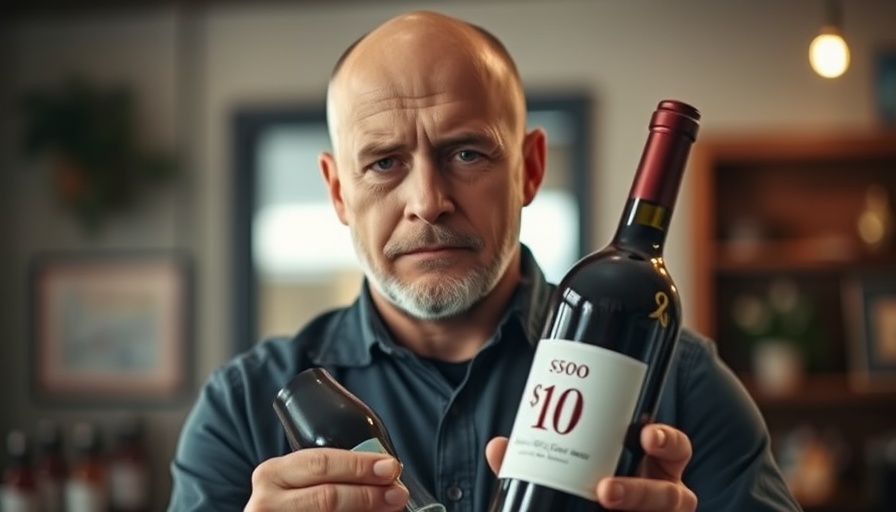
Is Expensive Wine a Scam: Man comparing wine bottles with prices.

Unraveling the Price of Wine: A Taste Test

Wine aficionados often ponder an age-old question: what exactly justifies the price differences in wine? In this conversation, sparked by the recent video titled $10 vs $500 Wine Taste Test — Is Expensive Wine a Scam?, we're diving into the nuances of wine pricing, which can range immensely from budget-friendly to exorbitant. In a blind taste test comparing the likes of a $10 entry-level Shiraz from Australia's Penfolds and the iconic $500 Grange, distinctions become both clearer and murkier.

In $10 vs $500 Wine Taste Test — Is Expensive Wine a Scam?, the discussion dives into the significant price disparities in wine, exploring key insights that sparked a deeper analysis on our end.

Why Are Some Wines Expensive?

The wine world is rife with curiosities. It seems absurd that a simple fermented grape juice can jump from a mere $10 bottle to a staggering $500. However, the differences often stem from the grape sourcing, aging processes, and the reputation of the vineyard. For instance, Penfolds, known for producing a wide variety of wines, provides affordable options that may lack the complexity and exclusivity of their higher-end counterparts. The $10 wine, the Konga Hill Shiraz, for instance, is an approachable blend that may lack the depth appreciated by seasoned drinkers.

The Quality of Experience

Wine is not just about taste; it's about the experience it brings. A bottle of Grange is not only about its flavor profile but also about the story it carries — a blend of heritage, tradition, and prestige that enhances its value. Consumers at upscale wine bars appreciate these narratives, often seeking wines that are as much conversation starters as they are pleasurable beverages. This story-driven marketing is what makes some wines coveted collectibles rather than simple drinks.

Cheap vs. Expensive: Is There a Real Difference?

The blind taste test revealed a striking observation. While the $10 and $500 wines demonstrated noticeable differences, the gap between mid-range options—like the $50 Bin 128 and the $100 St. Henry—was starkly narrower. Enthusiasts may find great value in lower-priced wines that offer pleasurable drinking experiences. For those operating cozy local wine bars or trendy wine bars for date night, having a mix of price points on their menus allows patrons to explore a world of flavors without financial pressure.

Takeaway: Spend While You Savor

Be it a $10 or a $500 bottle, the best wine experience is subjective. Consumers should not feel pressured to buy expensive wines to appreciate them. Instead, they can explore various flavorful options, from cozy local wine bars with charcuterie boards to upscale wine bar experiences with rare vintages. Ultimately, whether you are indulging every week, celebrating a special occasion, or simply enjoying a glass after work, the perfect wine choice caters to both your palate and pocket.

Wine Bars

8 Views

0 Comments

Write A Comment

*
*
Please complete the captcha to submit your comment.
Related Posts All Posts
05.25.2026

The Judgment of Paris: How a Blind Tasting Changed Wine Forever

Update Unveiling a Wine Revolution: The Judgment of Paris On May 24, 1976, a seemingly ordinary wine tasting event transformed the trajectory of the global wine industry forever. This pivotal gathering, known as the Judgment of Paris, brought a group of French wine experts face-to-face with Californian wines, and the results sent shockwaves through the wine world. Organized by the passionate English wine merchant Steven Spurrier and American wine specialist Patricia Gallagher, the event’s original intent was not to create headlines but to showcase the high-quality wines emerging from California. However, it would end up doing just that.In The TRUTH about the Most Controversial Wine Tasting Ever, the discussion dives into the historical significance of the Judgment of Paris wine tasting, exploring key insights that sparked deeper analysis on our end. The Significance of a Blind Taste Test Spurrier’s decision to conduct a blind tasting was crucial. By removing the labels and preconceptions associated with the wines, the tasters focused solely on what was presented in their glasses. This strategy was taken to minimize the bias surrounding Californian wines, which at that time were not considered on par with traditional French wines. Fast-forward 50 years, and the significance of that selection still resonates. The 1973 Château Montelena Chardonnay was crowned the best wine of the tasting, followed closely by other California favorites, shaking the foundations of French viticulture. Impacts on the Industry and Emerging Trends The Judgment of Paris didn’t just impact the participants; it challenged the entire wine industry. France's monopoly on quality wine was officially disrupted, and the acknowledgment of Californian wines led to the rise of several top-rated wine bars across the globe that now celebrate both local and international wines. Today, many upscale wine bars are stocked with both classic European labels and trendy American selections, appealing to an evolving consumer palate. Join the Wine Movement As consumers and suppliers continue to explore the vast world of wines—from boutique wine bars with rare vintages to cozy local venues with live music—initiatives like the Judgment of Paris remind us of the beauty of discovery in the wine industry. Interested in exploring this lively atmosphere? Consider visiting your local wine bar and engaging in some wine tasting events this weekend.

05.08.2026

Do 100 Point Wines Live Up to the Hype? Exploring the Best Wine Bars

Update The Journey Through Perfect Scores in WineIn the realm of wine, achieving a 100-point score is akin to hitting the jackpot. These coveted ratings have transformed the wine industry, influencing prices and cultivating an elite group of wine lovers. But what happens when you put five of these 'perfect' wines to the test? The exploration begins with an intriguing tasting of five wines that have caught the eyes of critics, leaving us to wonder if their reputations are truly justified.In 'I spent $700 on five 100 Point Wines - was it worth it?', the exploration captures the essence of high-scoring wines and their true worth in our tasting journey. Unpacking the 100 Point Score: More Than Just NumbersRobert Parker, who pioneered the 100-point wine ranking scale, noted that achieving a perfect score is as much about emotional resonance as it is about quality. This blend of subjectivity adds a fascinating layer to the tasting experience. A wine rated highly by critics doesn’t automatically guarantee the same enchantment for every palate. Consumers today have become savvy, looking beyond mere numbers when selecting wines for intimate gatherings or celebratory nights.Affordable Gems: The Unsung Heroes of the VintageOne standout from the tasting, the Huba Reed Riesling from Austria, was praised for its quality and relatively modest price of €60. With vibrant floral and citrus notes, this wine exemplifies that perfection does not always come with a hefty price tag. As it turns out, a cozy local wine bar serves as the perfect setting to enjoy these hidden treasures without breaking the bank. For those looking to impress on a date night or a classy evening with friends, this wine offers an upscale experience that doesn’t scream high price.The Ripple Effect of Perfection on the Wine MarketHowever, the quest for the perfect wine isn't without its pitfalls. Wines with inflated scores can lead to consumer disappointment when the reality doesn't meet the hype. This disconnect may influence how wine bars curate their selections. Establishments that emphasize education, offering wine tasting classes and showcasing organic or rare vintages can provide customers with a richer, more informed experience, turning the focus back to enjoyment over prestige.Offering Unique Experiences: The Value of KnowledgeAs wine lovers, it's essential to explore beyond ratings and prices. Wine tasting events and live music in trendy wine bars create an atmosphere that elevates the experience, enhancing the appreciation for each sip. Those intimate conversations over a charcuterie board paired with selections from a boutique wine bar can lead to new discoveries that surprise and delight.In the end, whether you’re seeking upscale wine bar experiences or cozy local spots with great vibes, the adventure lies not just in the bottles but in the shared stories and laughter that come with them. Engage in discussions, savor the flavors, and perhaps eye the 100-pointers with a curious but critical lens.

04.05.2026

Explore Germany’s Best-Kept Secret: Chardonnay at Local Wine Bars

Update Discovering Germany's Hidden Chardonnay Gems When it comes to top-rated wine bars in Germany, Chardonnay is making a triumphant entry, and it’s time to explore what makes this grape variety from Germany unique. Until 1991, German winemakers were unable to plant and produce Chardonnay, but the laws have since changed, allowing this vibrant grape to flourish in the country’s vineyards. Combine that with Germany’s diverse climate, and you’ll find a compelling picture of a wine revolution.In 'Underrated or Overhyped? German Chardonnay Blind Tasting!', we explore key insights that ignited our exploration of this fascinating wine trend. A Growing Trend: German Chardonnay Sales Surge Data reveals a striking trend—German Chardonnay sales in Norway have skyrocketed by 2,000% in just six years! As German producers hone their skills, they are pushing the boundaries of what's possible with this grape. You might just discover a cozy local wine bar with live music featuring these unique bottles, and you’ll be pleasantly surprised at how they outperform expectations. How German Chardonnay Compares to Classics What sets German Chardonnay apart from traditional wines from top regions like Burgundy? It’s all about the stylistic variance. Many German vineyards produce lighter, fresher versions of Chardonnay that are delightfully expressive and affordable—many options are available for under €40! When looking for a wine bar with an extensive wine list, be sure to ask for local selections that highlight these captivating new styles. Imagine sipping a glass in a romantic wine bar, accompanied by a charcuterie board, feeling the unique character of both the wine and the region. Why You Should Explore German Chardonnay If you’re seeking boutique wine bars with rare vintages or indulging in upscale wine bar experiences, don’t miss out on Germany's Chardonnay offerings. These wines embody a growing movement among producers who are blending tradition with innovation. Consider visiting an intimate wine bar for couples or a romantic spot with panoramic city views that serves these exceptional wines. You’ll find that German Chardonnay is not just another trend—it could become your new favorite! Your Invitation to Wine Taste the Revolution As more consumers discover the exceptional quality and value of German Chardonnays, wine bars are adapting their menus to feature these liberating wines. So, whether you are exploring cozy wine bars with outdoor seating or attending wine tasting events this weekend, consider trying a German Chardonnay. This is your chance to appreciate a grape that’s not only versatile but also represents a vital part of Germany's burgeoning viticultural landscape. Cheers to the adventure of discovering Germany's underrated wines!

Terms of Service

Privacy Policy

Core Modal Title

Sorry, no results found

You Might Find These Articles Interesting

T
Please Check Your Email
We Will Be Following Up Shortly
*
*
*