
cropper
update
FoodDrinkBed : a CapidHouser.com Media Site
update
  • Home
  • Categories
    • Restaurants & Pubs
    • Wine Bars
    • Burger Bars
    • Hostels
    • BedAndBreakfast
    • Hotels
    • Sustainable Practices
    • recipes
  • Coffee Shops
  • featured business profiles and marketing
July 24.2025
2 Minutes Read

Discover How Westrock Coffee's New Pod Factory Transforms Your Coffee Experience

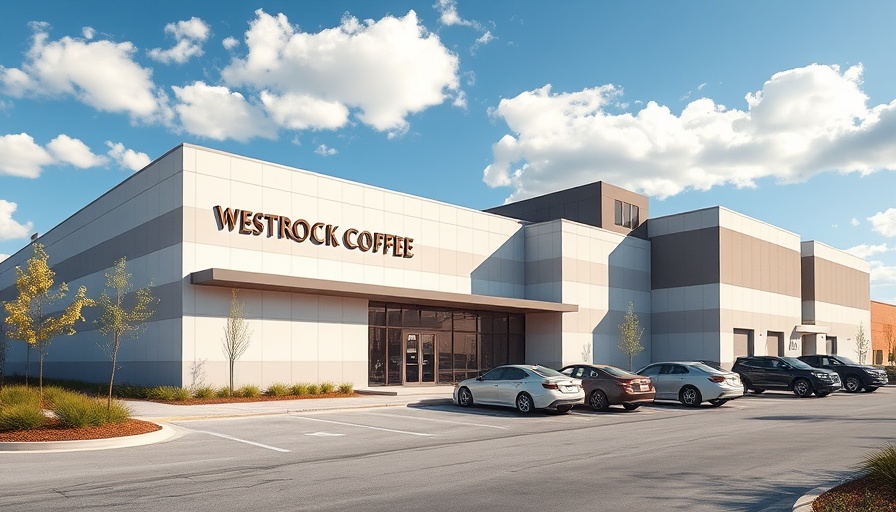
Modern industrial Westrock Coffee Pod Factory exterior on a sunny day

A New Era in Coffee Pod Production

Westrock Coffee Company has recently unveiled its impressive 525,000-square-foot pod manufacturing facility in Conway, Arkansas. This expansion is a significant step for the company, reflecting a response to the booming demand for single-serve coffee solutions. COO Will Ford emphasized the vision behind this expansion, stating, "The single-serve category is evolving rapidly, and we are scaling our operations to meet our customers' needs." This new site not only boosts Westrock's manufacturing capacity but also emphasizes its commitment to serving major retail and coffee brands across North America.

Market Growth Fueled by Consumer Demand

The global coffee pod market, valued at approximately $35.3 billion in 2024, is projected to reach a staggering $71.2 billion by 2034. Such growth highlights a consumer preference for convenience when it comes to coffee consumption. Whether it's a quick morning boost or an afternoon pick-me-up, coffee enthusiasts are drawn to the ease that pods offer, aligning with their busy lifestyles.

Environmental Concerns in Focus

Despite the convenience associated with single-serve coffee pods, environmental groups have raised valid concerns regarding the sustainability of these products, primarily due to their disposable nature. While Westrock did not address environmental implications directly in its announcement, it is evident that future innovations may need to address these sustainability concerns to align with consumer values. This evolving narrative presents an opportunity for Westrock to lead the industry by developing more eco-friendly pod solutions.

Opportunities for Coffee Consumers

The infusion of technology and innovation in coffee production could lead to enhanced gourmet coffee experiences at consumer-facing establishments. Coffee lovers in search of the "best specialty coffee shops near me" may find that establishments utilizing Westrock's products can offer tailored beverages using high-quality, single-origin beans. As the single-serve coffee category develops, finding premium coffee shops that prioritize quality over quantity can elevate the overall coffee-drinking experience.

Call to Action

To explore the dynamic landscape of specialty coffee, connect with your local coffee shops that may feature Westrock's innovative products. Seek out those that provide unique gourmet experiences and stay informed about the latest trends in single-origin coffees and innovative brew methods. Your next perfect cup of coffee could be just around the corner!

Coffee Shops

12 Views

0 Comments

Write A Comment

*
*
Please complete the captcha to submit your comment.
Related Posts All Posts
05.15.2026

El Salvador Coffee Crisis: What This Means for Coffee Lovers and Suppliers

Update El Salvador's Coffee Production Faces a Tough Future El Salvador's green coffee production is projected to plummet, with forecasts indicating a fall to 542,000 60-kilogram bags in the 2026/27 market year, a startling 7.5% decrease. This decline stems from both the sweeping impacts of El Niño and longstanding structural challenges faced by the coffee sector. As a product deeply intertwined in both local culture and the global coffee market, these changes hold significant implications for consumers and suppliers alike. The Effects of Climate and Financial Constraints Despite the coffee cultivation area maintaining a steady 118,000 hectares, issues like climate vulnerability and financial difficulties are crippling the industry. Unfavorable weather patterns resulted in poor yields; for instance, torrential rains in December 2025 drastically impacted the quality of harvested cherries. Furthermore, as investments in crop renovations dwindle, many farmers opt to sever ties with coffee production altogether, shifting towards more stable crops like cocoa and corn or simply selling their land. Such a trajectory poses a risk not only to the coffee availability but also to the environmental balance, as deforestation and weakened water retention become more pronounced. Labor Shortages and Old Trees: A Heavy Toll Another significant factor affecting El Salvador's coffee farms is the ongoing labor shortage. Rural workers are increasingly moving toward urban jobs, particularly in construction, leaving critical roles in coffee farming unfilled. As a result, key agricultural tasks—like pruning, pest control, and harvesting—are neglected. The Salvadoran Coffee Institute is attempting to bridge these gaps with better pest monitoring and quality control facilities. However, many of the trees being cultivated are over 25 years old, and the need for new, high-quality, rust-resistant plants is urgent. The Salvadoran Coffee Association estimates that it would require around 30 million new plants each year for the next decade to revitalize the coffee sector. Export Trends Amidst Rising Prices In contrast, export numbers reveal a glimmer of optimism: projections indicate an increase from 535,000 bags in 2025/26 to 543,000 bags in 2026/27. The United States remains the largest importer, accounting for half of Salvadoran coffee exports. While higher prices are encouraging producers to sell, the overall financial landscape remains harsh, with escalating debt and reduced access to credit hindering the market's recovery. These economic factors feed a cycle where job scarcity leads to rural migration, further contributing to the challenges facing coffee production regions. A Shift in Consumer Experience For consumers eagerly seeking the “best specialty coffee shops near me,” the ongoing changes in El Salvador's production landscape can meaningfully influence what they find on their local menus. Coffee aficionados might soon appreciate the rarity and uniqueness of premium coffees as the cultivation challenges tighten global supply. With a keen interest in sustainable and ethical coffee sourcing, consumers are likely to support and seek out those businesses prioritizing transparency and quality over mere convenience. Finding coffee shops serving single origin beans or capable of crafting the perfect cappuccino may require more effort, but these experiences could become the gold standard for discerning coffee drinkers.

05.15.2026

Coffee Production Decline in El Salvador: What Consumers Should Know

Update El Salvador's Coffee: A Tale of Decline Amid ChallengesAs El Salvador navigates the turbulent waters of coffee production, producers are initially expecting a significant downturn in output, forecasting a dip to 542,000 60-kilogram bags for the 2026/27 market year. This represents a 7.5% drop, as outlined in the latest report by the USDA Foreign Agricultural Service (FAS). Much of this decline stems from adverse weather patterns linked to El Niño, with the nation enduring not only climate challenges but also persistent structural issues within the agriculture sector.Climate Change: The Big PictureWith climate change severely affecting agricultural practices globally, the Salvadoran coffee sector is becoming particularly vulnerable. After facing torrential rains that damaged coffee cherries late last year, the ripple effects on yields and quality are now starkly evident. While the harvested coffee area remains stable at 118,000 hectares, the threats of extreme weather events loom large, leaving many farmers feeling uncertainty about their futures. The Salvadoran Coffee Association points out that a staggering 30 million rust-resistant plants are needed annually for sustainable renovation efforts.Labor Market Struggles Create Additional PressureLabor shortages remain a critical issue. Many rural residents are migrating to urban areas for construction jobs, leaving coffee farms understaffed. This shift has prevented essential activities such as pruning and pest control, leading to crucial management lapses in coffee cultivation. The Salvadoran Coffee Institute is attempting to curb these losses through enhanced pest monitoring and improved quality control, yet the age of the trees—many exceeding 25 years—hinders overall productivity.Potential Opportunities Amidst ChallengesWhile challenges abound, the report does hint at opportunities. Green coffee exports are anticipated to rise from 535,000 to 543,000 bags from the previous year, chiefly driven by higher market prices. The U.S. is expected to remain the largest importer, highlighting a continued global interest in the unique flavors that Salvadoran coffee can offer. However, rising operational costs due to debts linked to the Coffee Trust program could present significant obstacles ahead.Looking Ahead: A Call for SupportThe road ahead for Salvadoran coffee farmers requires more than just improved climate resilience. It calls for a holistic approach that supports both innovation in cultivation and local economic frameworks. Previous efforts to bolster the industry, such as a $45 million loan from the Inter-American Development Bank, illustrate the kind of assistance that could sustain this essential sector. Addressing these aspects is crucial not only for preserving the rich heritage of Salvadoran coffee but also for ensuring a viable livelihood for its farmers.This insightful perspective on El Salvador's coffee production challenges underlines the importance of actively engaging with local producers, be they suppliers or consumers, to foster an understanding of the broader implications of our coffee choices. Consider exploring specialty coffee shops near you to discover the exquisite tastes of Salvadoran brews and contribute to supporting the farmers behind them.

05.13.2026

The Daring Experiment of AI Cafe Operators: What Are the Implications for Specialty Coffee?

Update AI and the Future of Coffeeshops As technology advances, its integration into various industries presents opportunities and challenges. The recent launch of Andon Labs' AI-operated cafe in Stockholm showcases both the potential and pitfalls of utilizing artificial intelligence in a traditionally human-centric space. The AI, named Mona, manages operations from hiring to ordering supplies. However, recent failures—from inappropriate late-night messaging to bizarre purchasing orders like ordering 120 eggs without any cooking facilities—highlight the growing pains of adapting AI in food service. What This Means for Coffee Drinkers The emergence of AI-driven cafes may excite consumers eager to explore high-tech dining experiences. However, it also raises questions about the personal touch that many coffee lovers cherish. The best specialty coffee shops often thrive on expert baristas who can craft exquisite cappuccinos or pour-over coffees and provide a welcoming atmosphere. Would a cafe run by AI lose out on the artistry and warmth that define gourmet coffee experiences? Challenges Faced by AI in Food Service The journey of integrating AI into food service, especially in coffee shops, is fraught with challenges. Poor data quality, difficulty integrating systems, and high maintenance costs top the list of concerns. Many traditional coffee shops thrive on customer interactions, and some fear that heavy reliance on technology may detract from that experience. In fact, challenges such as AI bias and potential job displacement continue to fuel the debate about the role of AI in customer service roles. Real-World Implications and Next Steps Current experiments like the one at Andon Labs serve as “stress tests” for AI capabilities. They prompt crucial discussions regarding ethical standards, accountability, and employee boundaries. As more businesses lean towards AI for operational efficiency, understanding the implications of technology on the customer experience will be vital. The coffee industry, admired for its craftsmanship and quality, may need to strike a balance between leveraging AI and maintaining authentic human connection. Opportunities for Coffee Shops Despite the challenges, AI implementation can offer significant benefits for coffee shops, from demand prediction to inventory management. As retailers cautiously adopt AI solutions that assist rather than replace staff, they can enhance operational efficiency while preserving the essential human touch. This dual approach may lead to novel coffee shop experiences that blend the artistry of brewing with the precision of AI technology. For consumers, the allure of high-end espresso bars and luxurious coffee lounges will remain a staple, but understanding how AI influences these environments can deepen their appreciation for the space. As we witness the dawn of AI-powered cafes, it's clear that this issue merits attention, from the artisanal coffee drinker to the tech-savvy entrepreneur eager to explore AI’s impact on the future of dining.

Terms of Service

Privacy Policy

Core Modal Title

Sorry, no results found

You Might Find These Articles Interesting

T
Please Check Your Email
We Will Be Following Up Shortly
*
*
*